

Recent economic data presents a nuanced picture of the U.S. economy. In May, employers added 172,000 jobs, surpassing expectations and indicating resilience in the labor market. However, this growth is tempered by rising inflation and concerns about slowing economic growth.
Inflation remains a pressing issue, with the personal consumption expenditures (PCE) price index rising at an annual rate of 3.6% in the first quarter, up from 2.4% in the previous quarter. This uptick suggests that the Federal Reserve may need to reassess its monetary policies to address inflationary pressures.
Trade policies continue to influence economic performance. The administration’s recent tariffs have led to increased import costs, contributing to higher consumer prices. While intended to protect domestic industries, these measures have sparked debates about their long-term impact on economic growth and consumer welfare.
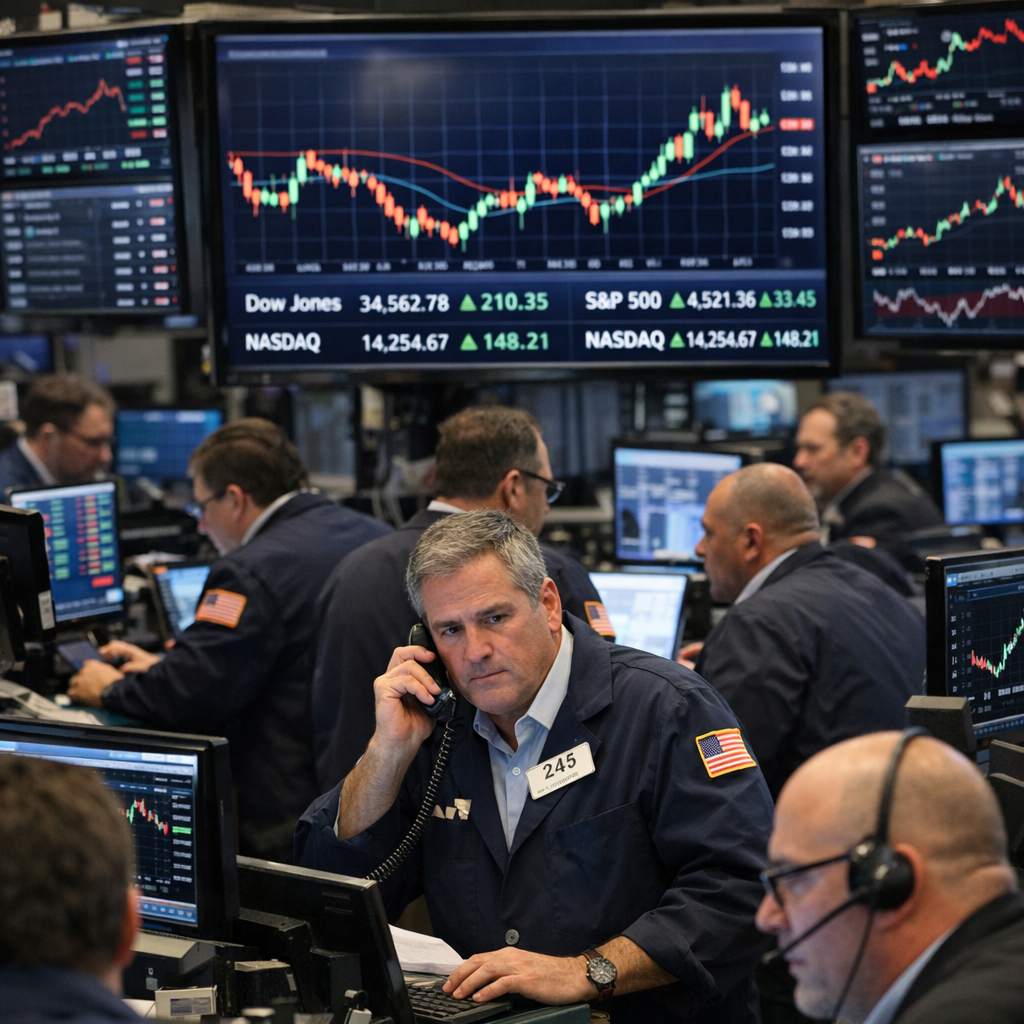
In the financial markets, the S&P 500 experienced slight fluctuations, reflecting investor uncertainty amid ongoing trade negotiations and economic data releases. The Federal Reserve’s upcoming decisions on interest rates are highly anticipated, as they will play a crucial role in shaping the economic trajectory.
As the nation navigates these complex economic dynamics, staying informed about policy changes and market trends is essential for individuals and businesses alike.