

By Daniel Patel
Plano’s Seasonal Weather Cycle
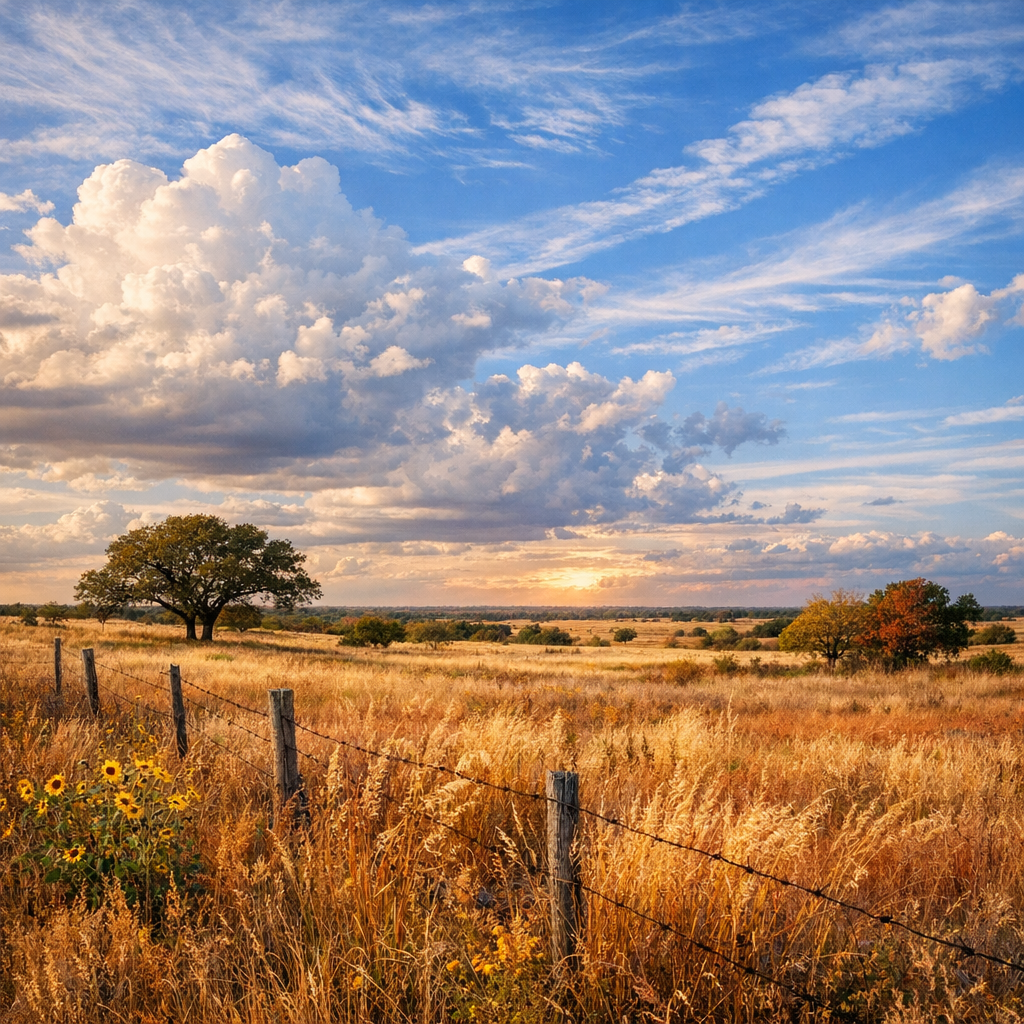
Plano sits just north of Dallas, in North Central Texas on the edge of the Blackland Prairie. Its climate is humid subtropical — that means hot summers, mild winters, and comfortable springs and autumns. Summers are marked by high temperatures with fair skies, low humidity, and occasional storms. Winters are generally mild, though cold spells drop temperatures several times a month, especially in December through February. Spring and fall offer brief but welcome relief. Temperatures shift rapidly, flowers bloom, and changing foliage signals transitions.
Long-Term Climate Trends
Over the past century, Texas has warmed by roughly 1.5°F, leading to more frequent extreme heat events. This warming intensifies drought during dry spells by increasing evaporation and stresses water resources. Meanwhile, rainfall patterns are becoming more volatile — especially spring and fall, when storms are often heavier and rain more intense.
Seasonal Hazards & Challenges
Weather Extremes and Safety
Spring in Plano often brings thunderstorms, hail, and soaring humidity, while occasional cold fronts in winter can bring freezing temperatures. Flash flooding is a concern when heavy rain falls quickly. Residents should stay alert to weather watches, especially during severe summer and spring storms.
Environmental Impacts
Year-round, higher temperatures and shifting rainfall affect ecosystems. Plants suffer when summer heat prolongs without sufficient soil moisture. Winter cold snaps can impact species unprepared for drops in temperature. Also, Plano’s Blackland Prairie soils are rich but fragile: erosion, development, and altered moisture regimes can degrade them.
How Residents Can Adapt and Help
While local governments work on infrastructure and hazard planning, individuals can support resilience too:
- Plant native or drought-tolerant landscaping to reduce water demand and withstand heat.
- Practice water conservation, especially during summer heat; fix leaks and use efficient irrigation.
- Prepare for severe weather: have an emergency kit, understand local flood zones, and check forecasts regularly.
- Use shade structures, white or light-colored roofing, and other heat management techniques to cool homes and reduce energy use.
- Support local environmental initiatives—native habitat restoration, tree planting, clean-up crews—that help soil health and manage storm water.
Looking Ahead
Plano’s climate is likely to continue warming, with more frequent heat waves and heavier, though more erratic, rainfall. That means growing seasons may shift, planting schedules may change, and water stresses could rise. Early planning—at both community and household levels—matters. Recognizing Plano’s unique weather rhythm is the first step toward living comfortably and sustainably here.